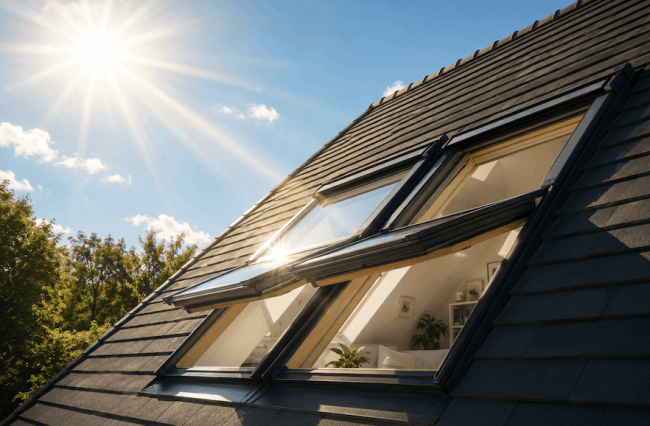
Keeping a loft conversion cool comes down to combining high quality insulation, effective ventilation, solar control and thoughtful window placement, rather than relying on fans or air conditioning alone. Around 90% of unwanted heat in a loft enters through the roof, making the design of the roof structure one of the biggest factors in how comfortable the room feels during summer.
A loft should be a room you enjoy using all year round, not somewhere that becomes unbearably hot as soon as the sun comes out. Since heat naturally rises, the highest room in the house is always more exposed to warm air and direct sunlight.
The good news is that modern loft conversions are designed very differently to the draughty attic spaces many people remember. With the right materials and careful planning, a loft can stay bright, airy and surprisingly comfortable even during the hottest weeks of the year.
Why Do Loft Conversions Get So Warm?
A converted loft sits directly beneath the roof covering, which absorbs heat throughout the day before gradually releasing it into the room below. Roof windows can also allow significant amounts of solar heat to enter if they are left unprotected.
Without the right balance of insulation and ventilation, warm air becomes trapped, making the room feel stuffy long after the outside temperature has started to fall. This is why experienced loft conversion specialists consider temperature control from the very beginning of the design process rather than treating it as an afterthought.
How Does Insulation Help Keep A Loft Cool?
Many people think insulation is only there to keep heat inside during winter, but it works just as hard in summer by slowing heat from entering the room.
Modern insulation fitted between and beneath the rafters creates a thermal barrier that helps maintain a more stable indoor temperature throughout the day. Current Building Regulations also require high performance roof insulation, helping loft conversions to remain energy efficient in every season.
What Is The Best Way To Improve Ventilation?
Fresh airflow is one of the simplest ways to prevent overheating. Opening roof windows on opposite sides of the property creates natural cross ventilation, allowing warm air to escape while drawing cooler air through the room.
Good ventilation also helps prevent condensation and moisture build up, protecting both the structure of the roof and the quality of the indoor air. In fact, ventilation is considered just as important as insulation when designing a successful loft conversion.
Should You Install Blinds On Roof Windows?
Yes, roof windows receive direct sunlight for much of the day, particularly those facing south or west.
Purpose made blackout or thermal blinds can significantly reduce solar gain before it enters the room. External shutters or awnings are even more effective because they stop much of the sun’s energy before it reaches the glass. Properly shaded roof windows can make a noticeable difference to summer comfort, especially during prolonged warm weather.
Can The Layout Of A Loft Conversion Make A Difference?
It certainly can. Positioning storage into the lower eaves, allowing air to circulate freely and carefully choosing where windows are located all contribute to a cooler living space.
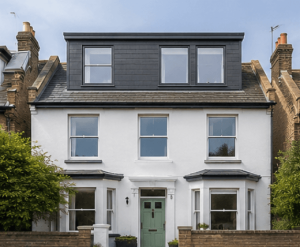
Some roof styles naturally provide better ventilation opportunities than others, while dormers can be designed to encourage improved airflow throughout the room. It is these small design decisions that often make the biggest difference once the conversion is complete.
What Other Simple Ways Can You Keep A Loft Cool?
A few everyday habits can help to maintain a comfortable temperature during warmer weather:
- Keep blinds closed during the brightest part of the afternoon.
- Open windows during cooler mornings and evenings to flush warm air out.
- Choose lighter coloured furnishings that absorb less heat.
- Avoid leaving electrical equipment running unnecessarily, as computers, televisions and chargers all generate additional warmth.
Even these small adjustments can noticeably improve comfort during hot spells!
Is It Worth Thinking About The Temperature Before Building?
Yes, without question! Retrofitting insulation or improving ventilation after a loft conversion has been completed is usually far more disruptive than getting it right from the start.
A well designed loft conversion can increase property value by up to 20%, while effective insulation helps regulate indoor temperatures throughout the year. Research also suggests that around 70% of overheating complaints in roof rooms are linked to poor ventilation or inadequate solar shading rather than insulation alone, highlighting why every element needs to work together.
Final Thoughts
A comfortable loft conversion is never achieved through one single feature. It comes from combining excellent insulation, smart ventilation, carefully positioned roof windows and quality workmanship from the very start.
At NorthSouth, every conversion is designed with year round comfort in mind, creating spaces that feel just as enjoyable in July as they do in January. If you are planning a loft conversion, NorthSouth can advise you on the best approach for your home. Get in touch today to learn more!

Matt Hack is a loft conversion building specialist who works across Yorkshire. With over 16 years of industry experience, he focuses on precision craftsmanship and a commitment to delivering spaces that feel as premium as they look.