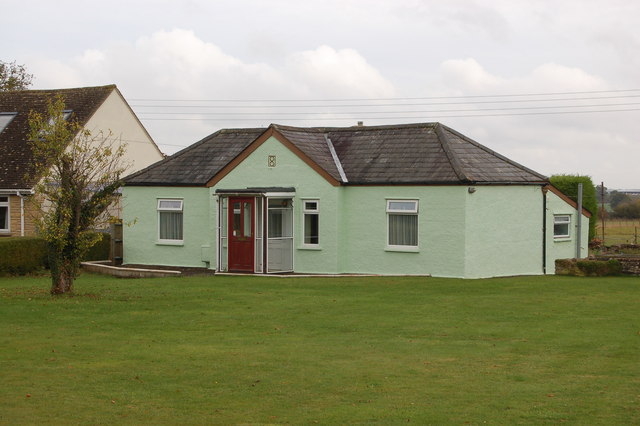
No, not all bungalows are suitable for a loft conversion but that doesn’t mean yours isn’t! In fact, many bungalow owners have more potential sitting above their ceilings than they might realise. The important thing is understanding the roof structure, available space and what can realistically be achieved before getting carried away with plans.
One of the biggest advantages of a bungalow loft conversion is that it can completely change how you use your home without taking up valuable garden space or requiring you to move. Whether you’re looking for an extra bedroom, a larger master suite, a home office or somewhere for visiting family to stay, converting upwards can be a very practical solution.
What Makes A Bungalow Suitable For A Loft Conversion?
The first thing to look at is the roof. Not all bungalow roofs are built in the same way and some are considerably easier to convert than others.
Traditional pitched roofs tend to offer more opportunities because they often have a relatively open space underneath. However, properties with modern trussed roofs, where timber supports across the loft in a W-shaped formation, can still be converted. They simply require more structural work to create the space needed.
Roof height is another important consideration. Ideally, you want enough room to create a comfortable living area without having to make major alterations to the existing roof.
As a general guide, around 2.2 metres of initial headroom is often used as a starting point when assessing a potential conversion. This allows for the additional floor structure, insulation and other materials that will be needed during the build.
The roof pitch also matters. A steeper roof will generally give you more usable headroom, whereas a shallow roof can make it harder to create a room that feels spacious rather than cramped.
Can A Bungalow With A Low Roof Be Converted?
This is where things get a little more interesting. A low roof doesn’t necessarily mean the end of your plans. Depending on the property, there may be options to create additional headroom by altering the roof structure, introducing a dormer or, in some cases, raising the roof itself.
Of course, these approaches come with additional considerations, including structural requirements, planning permission and cost. The right solution will depend entirely on the existing building and what you want to achieve.
It is also worth remembering that the space needs to work as a proper room. There is little point spending money on a conversion if the finished result leaves you with awkward corners, limited headroom and very little usable floor space.
What Type Of Loft Conversion Works Best For A Bungalow?
There is not one answer that suits every bungalow, but there are a few options worth exploring:
| Dormer Loft Conversion: | A popular option that extends out from the existing roof slope, creating additional headroom and usable floor space. It can be particularly effective when the original loft feels too restricted. |
| Hip To Gable Conversion: | If your bungalow has a hipped roof, replacing the sloping side with a vertical wall can create considerably more internal space. This can be a particularly useful option for detached and semi-detached properties. |
| Rooflight Conversion: | If there is already sufficient headroom, adding roof windows can be a relatively straightforward way to turn an existing loft into a brighter and more practical space. |
| Roof Raising: | Where the existing roof simply does not provide enough height, raising it may be an option. This is a more substantial project and will need careful consideration from both a structural and planning perspective. |
The best option is not necessarily the biggest or most expensive. It is the one that makes the most of your existing property.
Is A Bungalow Loft Conversion Worth The Investment?
For many homeowners, absolutely. Moving house is expensive, particularly when you factor in estate agent fees, solicitors, stamp duty fees, removal costs and the challenge of finding somewhere that ticks all the boxes. A loft conversion offers another possibility of keeping the home you already love while making it work for your changing needs.
There’s also the potential to add value. Research in 2025 has found that adding a large double bedroom and bathroom through a loft conversion or extension could increase the value of a 3 bedroom and 1 bathroom house by as much as 24%. Of course, the actual uplift will depend on the property, location and quality of the finished work.
It is also important to get the design right. Structural calculations, suitable access, insulation, fire safety and building regulations all need to be considered from the outset.
How Do I Find Out If My Bungalow Can Have A Loft Conversion?
The best starting point is to have your property properly assessed by experienced loft conversion specialists.
At NorthSouth, we understand that no two properties are quite the same. What works beautifully for one bungalow might not be the right solution for another, which is why looking at the individual roof structure, available space and your plans for the finished room is so important.
An initial assessment can help establish what is possible, whether any structural alterations are needed and which type of conversion is likely to give you the best result. Get in touch today for a no obligation quote!

Matt Hack is a loft conversion building specialist who works across Yorkshire. With over 16 years of industry experience, he focuses on precision craftsmanship and a commitment to delivering spaces that feel as premium as they look.