
A loft conversion can naturally become warmer than the rooms below during the summer, especially when the roof is exposed to direct sunlight for long periods throughout the day. However, this does not mean a loft conversion has to be uncomfortably hot. With the right design, insulation, windows and ventilation, a converted loft can remain a comfortable part of the home throughout the warmer months.
The position of a loft naturally makes it more exposed to the sun than lower rooms. Heat from the roof can build up during the day, while warm air also rises from the floors below. This is why planning for summer temperatures should be considered when designing a loft conversion rather than treated as an afterthought.
Why Do Loft Conversions Get So Hot?
Loft conversions can get hot because they sit directly beneath the roof, which is exposed to sunlight throughout the day. Roof windows can also allow considerable amounts of sunlight into the room, particularly when they face south or west.
The size and position of the windows make a difference too. Large roof windows are excellent for bringing natural light into a new bedroom, office or living area, but without suitable blinds or shading they can also allow solar heat to build up.
Another important consideration is insulation. Good insulation is not simply about keeping a loft warm in winter. It also helps prevent unwanted heat from passing through the roof and into the room during summer.
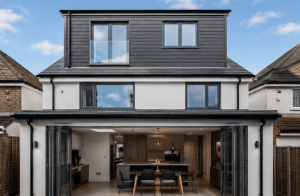
Does Loft Insulation Make A Conversion Cooler?
Yes, properly designed loft insulation can help prevent a converted loft from becoming excessively hot in summer. It works by slowing the movement of heat through the roof, helping the room maintain a more stable temperature.
According to the Energy Saving Trust, around 25% of the heat in an uninsulated home can be lost through the roof. While that statistic is usually discussed in relation to winter, it demonstrates just how significant the roof is when it comes to controlling temperatures inside a property.
The type, position and thickness of insulation all need to be considered carefully during a conversion. It is equally important that adequate ventilation is maintained around the roof structure. Simply adding insulation without considering airflow can create other problems, including condensation and damp.
Can Roof Windows Make A Loft Conversion Warmer?
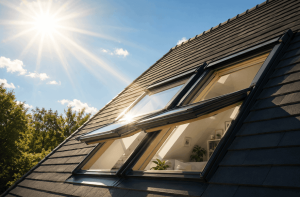
Roof windows can contribute to higher temperatures, but they are also one of the best ways to ventilate a loft conversion. The key is knowing when to allow sunlight in and when to keep it out.
During particularly warm days, blinds or curtains can help reduce direct sunlight entering through the glazing. Once the outside temperature drops in the evening, opening the windows can allow cooler air to move through the room.
The position of roof windows can also be considered during the design stage. Where possible, having openings that allow air to move through the loft rather than relying on a single window can make ventilation much more effective.
How To Keep A Loft Conversion Cool In Summer
Keeping a loft conversion cool is largely about preventing heat from entering in the first place and then removing warm air before it has a chance to build up.
Good quality blinds are a simple place to start. They can be closed during the hottest part of the day and opened later when the temperature outside falls. External shading can be particularly effective because it stops some of the solar heat before it reaches the glass.
Ventilation is equally important. Opening roof windows in the evening and overnight can help release the heat accumulated during the day. If the layout allows for air to move between different openings, cross ventilation can be even more useful.
Research into overheating in converted lofts found that night time ventilation could reduce overheating by 89% in the modelled property. This highlights why ventilation should be considered as part of the overall design rather than simply relying on fans or air conditioning once the room has become hot.
Is Air Conditioning Needed In A Loft Conversion?
Air conditioning is not necessarily required for a loft conversion. A well designed room can benefit greatly from insulation, appropriate glazing, shading and natural ventilation.
That said, individual circumstances will vary. A loft bedroom with large south facing windows may have different cooling requirements from a north facing home office with smaller windows. The way the room will be used is also worth considering.
Rather than automatically installing air conditioning, it makes sense to look at the design as a whole and identify where heat could enter or become trapped.
Can NorthSouth Help Make A Loft Conversion Cooler?
At NorthSouth, we understand that creating a comfortable loft room is about much more than simply gaining extra floor space. From insulation and roof design to the positioning of windows and ventilation, there are several factors that can influence how your new room feels during the summer.
Whether you are considering a dormer, velux or mansard loft conversion in Leeds, Wakefield, Harrogate, Knaresborough or the surrounding areas, NorthSouth can advise on the best approach for your property. We can discuss ways to reduce the risk of overheating at the planning stage, helping you create a loft conversion that is comfortable to use throughout the year rather than one that only works well in cooler weather.

Matt Hack is a loft conversion building specialist who works across Yorkshire. With over 16 years of industry experience, he focuses on precision craftsmanship and a commitment to delivering spaces that feel as premium as they look.